
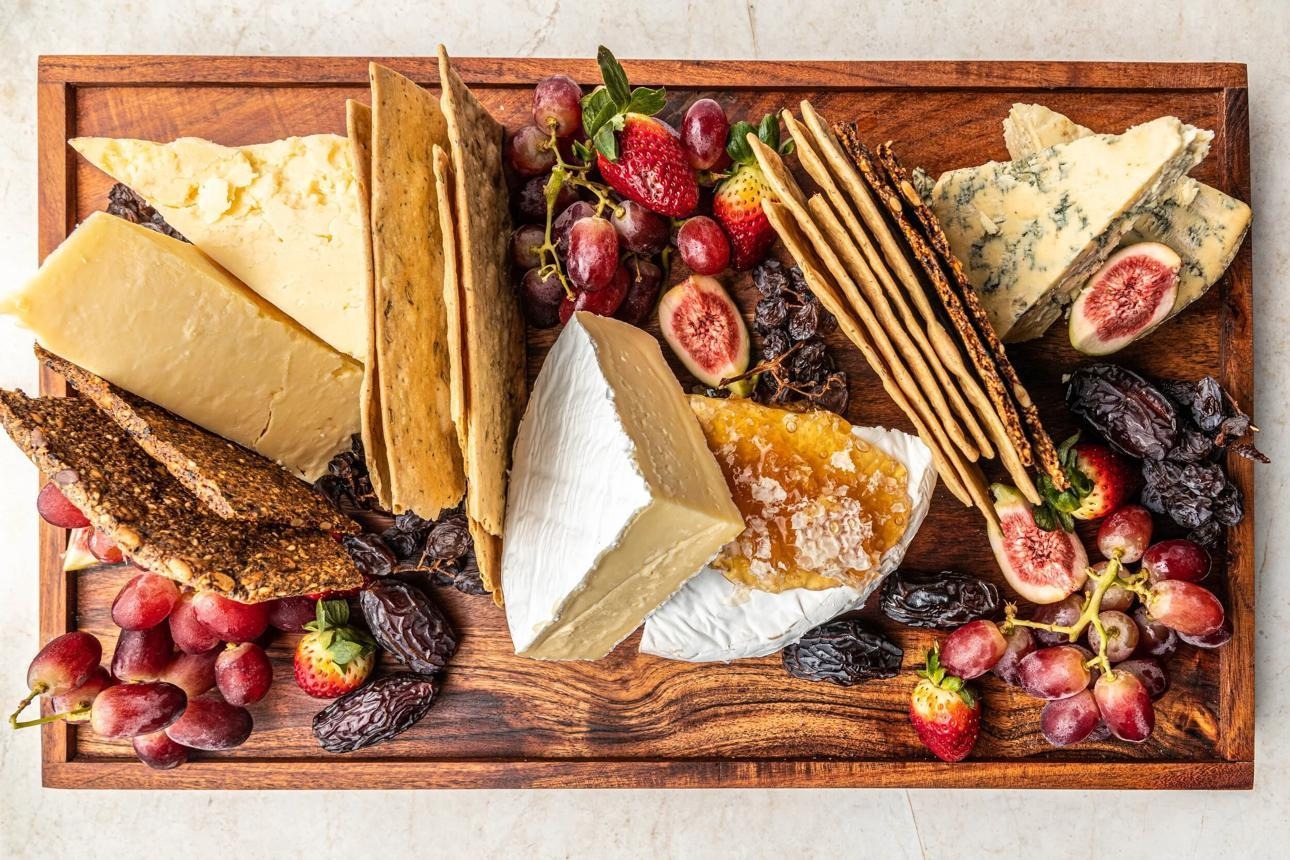
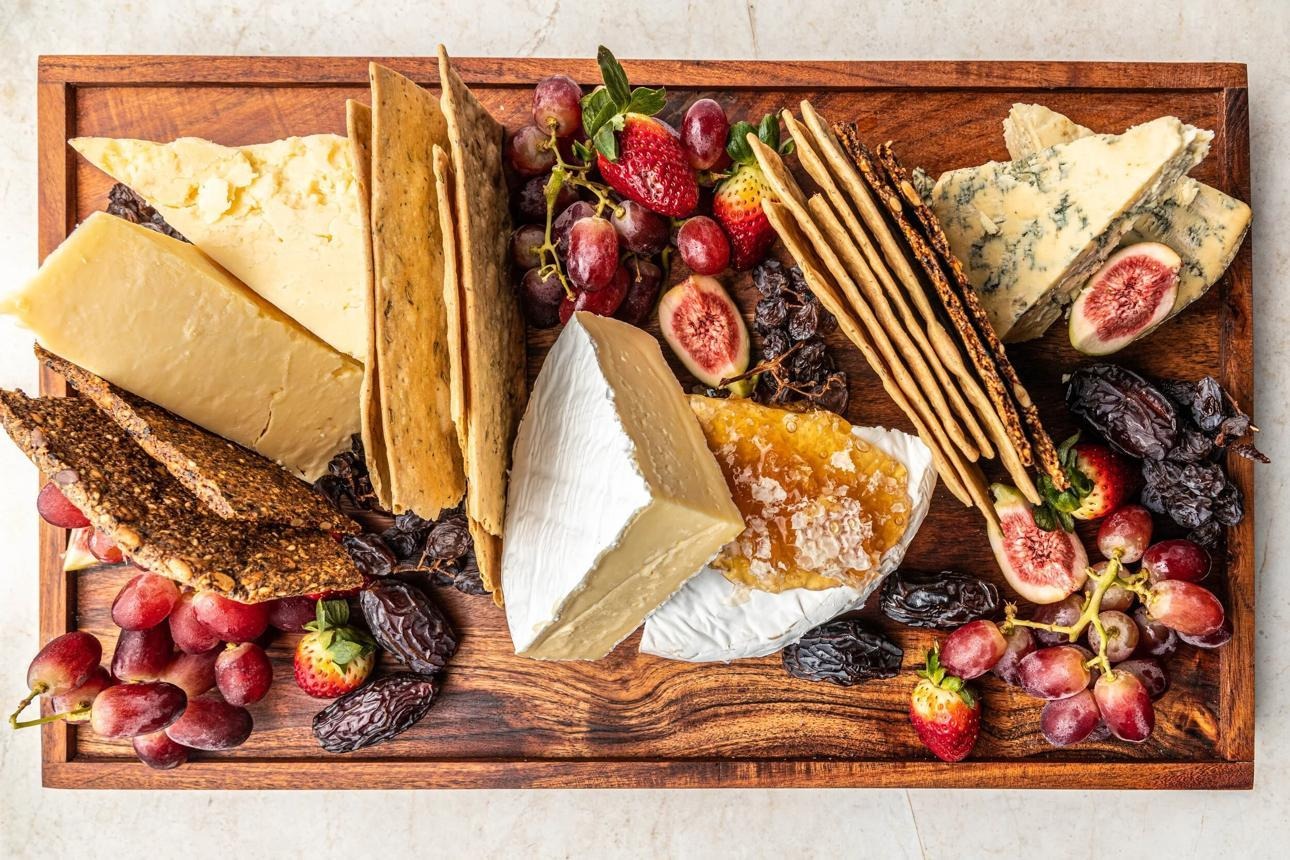
A well-presented cheese platter is one of the easiest ways to impress guests without spending hours preparing food. Whether you’re hosting a dinner party, celebrating a special occasion or enjoying a casual afternoon with friends, a thoughtfully arranged cheese board can bring everyone together.
The secret to creating the perfect cheese platter isn’t about choosing the most expensive ingredients or filling every available space. It’s about combining complementary flavours, textures and accompaniments in a way that looks appealing and tastes delicious.
From selecting the right varieties to arranging your board and calculating quantities, this guide will help you create a cheese platter that’s easy to prepare and enjoyable to share.
What Makes a Great Cheese Platter?
A great cheese platter offers variety without becoming overwhelming.
Rather than selecting several cheeses with similar characteristics, choose a combination that introduces different textures and flavour profiles.
A balanced platter generally includes a mixture of:
- Soft, creamy cheeses for a mild and approachable option
- Semi-hard cheeses with nutty or savoury flavours
- Aged cheeses with firmer textures and richer flavours
- A stronger variety for guests who enjoy something more distinctive
This combination gives guests the opportunity to try different cheeses and discover their favourite pairings.
Presentation also matters. A platter should look inviting while remaining practical, with enough space for guests to cut, spread and serve each cheese comfortably.
Step 1: Choose Three to Five Different Cheeses
The first step is selecting your cheese varieties.
For most gatherings, three to five options provide plenty of choice without making preparation complicated.
Brie or Camembert for Creaminess
Brie and Camembert are popular additions to cheese platters because of their smooth textures and gentle flavours.
They pair well with plain crackers, crusty bread, grapes and fruit preserves.
Including one of these varieties creates an approachable option that most guests will recognise.
Gruyère or Emmentaler for Nutty Flavours
Alpine-style cheeses can bring something different to your platter.
Gruyère offers a rich, savoury flavour, while Emmentaler is generally milder with a distinctive nutty character.
Both can be enjoyed in small slices or wedges and complement bread, nuts and fresh fruit.
These varieties are particularly useful when you want to introduce traditional European cheese flavours.
Aged Cheddar for Familiarity
A quality aged Cheddar adds a firmer texture and more pronounced savoury flavour.
It’s a versatile choice that pairs with apples, pears, chutneys and crackers.
Cheddar can also provide a familiar option for guests who prefer traditional cheese varieties.
Blue Cheese for Something Bold
If your guests enjoy stronger flavours, consider including a blue cheese.
A small wedge can add complexity and contrast to the platter.
Pair it with honey, figs or pears to balance its saltiness and intensity.
For gatherings with mixed preferences, position stronger cheeses separately from milder varieties.
Step 2: Calculate How Much Cheese You Need
One of the most common questions when preparing a cheese platter is how much to buy.
The answer depends on whether the platter is being served as a starter, part of a larger spread or the main food offering.
| Number of guests | Cheese for light grazing |
| 4 people | 240–400 g |
| 6 people | 360–600 g |
| 8 people | 480–800 g |
| 10 people | 600 g–1 kg |
| 15 people | 900 g–1.5 kg |
These quantities assume approximately 60–100 grams per person.
If you’re serving cheese as the main feature of a gathering, allow more.
It’s also worth considering the other food available. A platter served alongside substantial meals and appetisers may require less cheese than one intended as the centrepiece.
Step 3: Select the Best Accompaniments
The accompaniments you choose can make a simple platter feel more complete.
However, they should complement the cheese rather than compete with it.
Fresh Fruit
Fresh fruit introduces colour, sweetness and a refreshing contrast to rich cheeses.
Grapes are particularly popular because they’re easy to serve and pair with many varieties.
Other excellent choices include sliced apples, pears, strawberries and figs.
Choose fruit that is fresh, ripe and easy for guests to eat.
Crackers and Bread
Plain crackers provide a neutral base that allows the flavour of each cheese to stand out.
Offer a mixture of crackers and fresh bread to create variety.
A crusty baguette or sourdough is particularly enjoyable with soft cheeses, while crisp crackers work well with firmer varieties.
Avoid relying entirely on strongly flavoured crackers, as these can overpower more delicate cheeses.
Nuts and Dried Fruit
Walnuts, almonds and dried apricots add texture and natural sweetness.
They work especially well with aged and nutty cheeses.
A small handful scattered around the board is usually sufficient.
Honey and Preserves
Honey, fig jam and fruit chutneys can provide an enjoyable contrast to salty or savoury cheeses.
Serve these in small bowls or dishes to keep the platter neat.
Avoid adding too many different preserves, as a couple of well-chosen options are usually enough.
Step 4: Choose the Right Serving Board
Your serving board plays an important role in both presentation and practicality.
Wooden boards are popular because they provide a natural, rustic appearance.
Ceramic platters and marble serving boards can also create an elegant presentation.
When choosing a board, consider the number of guests and the amount of food being served.
A board that’s too small can appear overcrowded and make it difficult to access individual cheeses.
For larger gatherings, two smaller platters may be more practical than one oversized board.
You can also create separate boards for mild cheeses, stronger varieties and savoury accompaniments.
Step 5: Arrange Your Cheese Platter Like a Professional
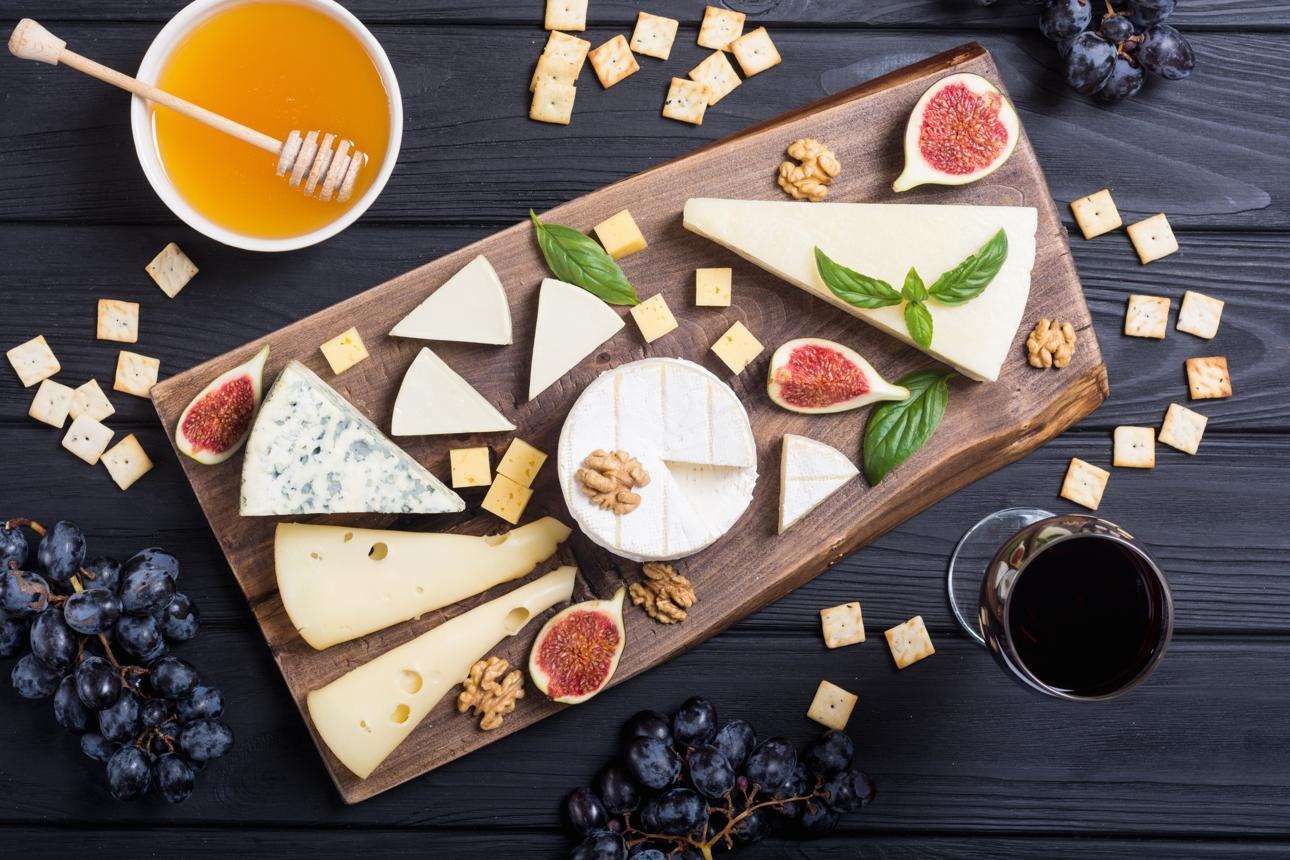
Arranging your cheese platter doesn’t require professional styling skills.
A simple approach is to start with the largest items and gradually fill the remaining spaces.
Start With the Cheese
Place your selected cheeses around the board, leaving enough room between each variety.
Try positioning a round soft cheese towards one side and using wedges of hard cheese to create visual balance.
Cut a few slices from harder varieties to make serving easier, but leave some pieces intact to maintain an attractive presentation.
Add Small Bowls
Next, position small bowls containing olives, honey or preserves.
These help create structure and prevent wet ingredients from spreading across the board.
Arrange Crackers and Bread
Add crackers and bread in small groups rather than placing everything in one location.
This allows guests to reach accompaniments easily from different sides of the board.
Fill the Gaps With Fruit and Nuts
Use grapes, sliced fruit and nuts to fill the remaining spaces.
The natural colours and shapes of these ingredients help create a balanced appearance.
Remember that the board doesn’t need to be completely covered. A little space makes the presentation easier to navigate.
Step 6: Prepare Your Cheese for Serving
Cheese preparation can influence both flavour and texture.
Many cheeses are more enjoyable when they aren’t served directly from a very cold refrigerator.
For suitable varieties, a short period at room temperature before serving can help their flavour become more noticeable.
However, avoid leaving perishable cheese unrefrigerated for extended periods, particularly during warm weather.
Keep cheese chilled until close to serving time, and return leftovers to the refrigerator promptly in accordance with food safety guidance.
You should also provide appropriate serving utensils.
A separate knife for blue cheese or strongly flavoured varieties helps prevent flavours from transferring to milder cheeses.
Cheese Platter Ideas for Different Occasions
Not every gathering requires the same selection.
Tailoring your platter to the occasion can make the experience more enjoyable.
Cheese Platter for a Dinner Party
For a dinner party, choose three or four carefully selected cheeses.
A combination of Brie, Gruyère, aged Cheddar and a small blue cheese creates variety without becoming overwhelming.
Serve with crusty bread, pears and a small selection of preserves.
Cheese Platter for a Birthday Celebration
Birthday gatherings often involve guests with different tastes.
Choose approachable varieties and provide generous quantities of crackers, grapes and other familiar accompaniments.
A mixture of mild and stronger cheeses allows everyone to find something they enjoy.
Cheese Platter for Summer Entertaining
For warm-weather gatherings, lighter cheeses and fresh seasonal produce can be particularly appealing.
Consider pairing mild cheeses with berries, grapes, cucumber and fresh bread.
Keep the platter cool and replenish it in smaller portions throughout the event.
For more inspiration, explore our guide to the best cheeses for summer entertaining.
Cheese Platter for a Special Occasion
For anniversaries, celebrations and festive events, consider including a specialty Alpine-style cheese alongside familiar favourites.
Adding artisan bread, fresh figs and quality preserves can make the platter feel more distinctive without significantly increasing preparation time.
Common Cheese Platter Mistakes to Avoid
Creating a beautiful platter is straightforward, but a few common mistakes can affect the result.
Choosing too many similar cheeses: Include different textures and flavours rather than several nearly identical varieties.
Overloading the board: Give each cheese enough space so guests can serve themselves easily.
Using too many accompaniments: Cheese should remain the focus. Select a few complementary ingredients rather than adding everything available.
Forgetting serving utensils: Provide suitable knives and spoons so guests can enjoy the platter comfortably.
Preparing everything too early: Cut fresh fruit close to serving time where practical and keep perishable ingredients refrigerated until needed.
How to Make Your Cheese Platter More Memorable
A memorable platter isn’t necessarily the largest or most elaborate.
Often, it’s the small details that make the biggest difference.
Consider including one cheese your guests may not have tried before, alongside familiar favourites.
You could also create simple pairing suggestions, such as Gruyère with pear, Brie with honey or aged Cheddar with apple.
Small labels identifying each variety can encourage guests to explore different flavours.
Most importantly, choose cheeses you enjoy and present them in a way that suits your gathering.
For more ideas on choosing, pairing and serving cheese, read our ultimate guide to entertaining with cheese.
Create Your Next Cheese Platter With Alpine Express
A great cheese platter begins with quality ingredients and a little thoughtful planning.
Whether you’re hosting a dinner party, celebrating a milestone or simply sharing food with friends, the right combination of cheeses can make the occasion feel special.
Contact Alpine Express to explore our cheese selection to find varieties for your next platter.
Choose your favourites and create a cheese board your guests will love.