
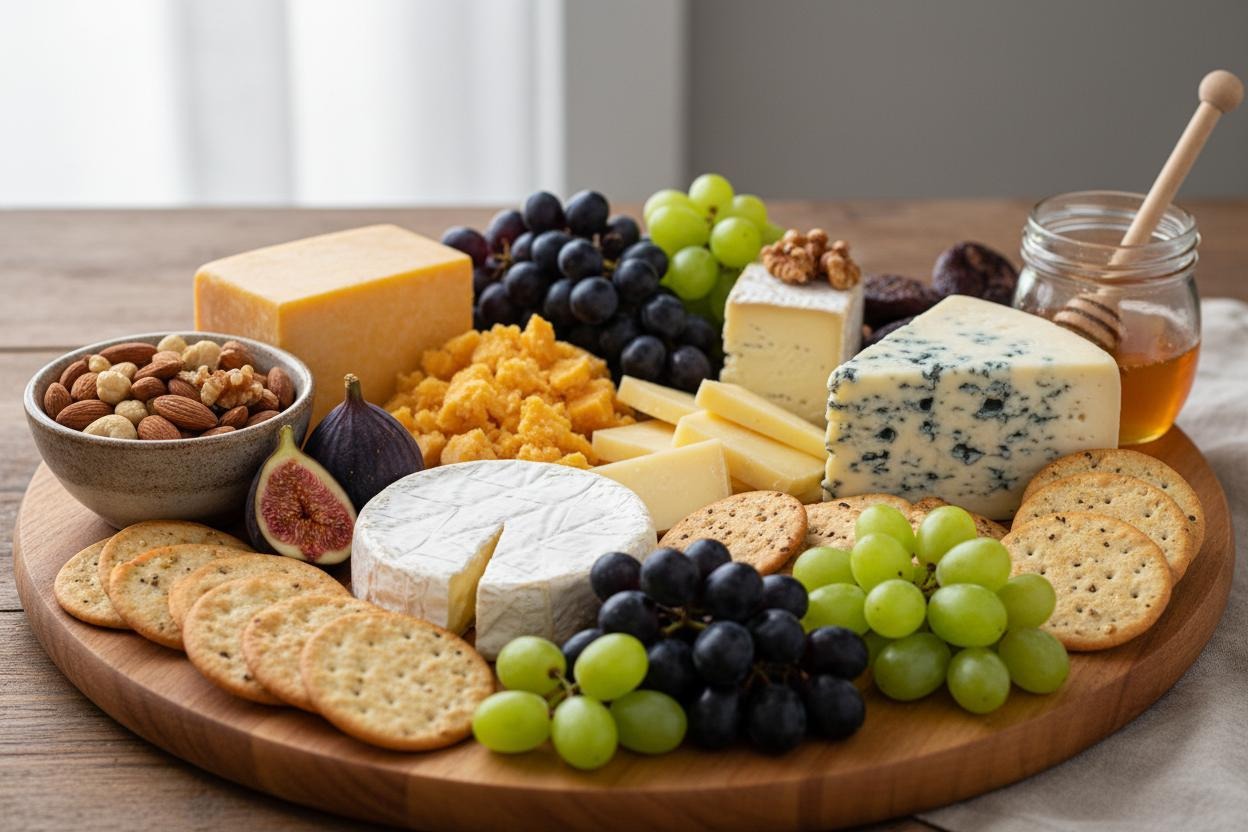
Entertaining with cheese is one of the simplest ways to bring people together over good food. Whether you’re planning a relaxed afternoon with friends, a family celebration, a dinner party or a special occasion, a thoughtfully selected cheese platter can become the centrepiece of your gathering.
The beauty of serving cheese is its versatility. From mild and creamy varieties to rich, nutty and full-flavoured favourites, there’s something to suit almost every taste. With the right selection, accompaniments and presentation, you can create an impressive spread without spending hours in the kitchen.
You don’t need to be a cheese expert to put together something memorable. Understanding a few basic principles, such as balancing flavours, choosing complementary pairings and preparing everything ahead of time, makes entertaining easier and more enjoyable.
In this guide, we’ll explore how to choose the right cheeses, build a balanced platter, pair cheese with food and drinks, and create an inviting experience for your guests.
Why Cheese Is Perfect for Entertaining
One of the biggest advantages of serving cheese is that it works across almost every style of gathering.
For casual entertaining, a simple board with a few carefully chosen varieties, crackers and fresh fruit can be more than enough. For formal occasions, you can create a larger grazing spread featuring specialty cheeses, artisan breads, nuts, preserves and other accompaniments.
Cheese is also an excellent option for hosts who prefer to prepare food in advance. Rather than spending the entire evening cooking, you can arrange most of your platter beforehand and focus on enjoying the occasion.
Other reasons cheese works so well for entertaining include:
- Variety: Different textures, flavours and styles make it easy to accommodate a range of preferences.
- Flexibility: A cheese platter can be an appetiser, a shared snack or a course in its own right.
- Presentation: A beautifully arranged board creates an inviting centrepiece.
- Easy preparation: Most components require little or no cooking.
- Customisation: Cheese can be paired with seasonal produce, bread, crackers, preserves and beverages.
The key is choosing varieties that complement one another rather than simply adding as many different cheeses as possible.
Choosing the Right Cheese for Your Gathering
A successful cheese platter starts with variety. Instead of choosing several cheeses with similar flavours and textures, aim for a balanced selection that offers guests different experiences.
Soft and Creamy Cheeses
Soft cheeses are often the first to disappear from a platter because they’re approachable and easy to enjoy.
Brie and Camembert are popular choices thanks to their creamy textures and gentle, buttery flavours. They pair beautifully with fresh bread, crackers, grapes and fruit preserves.
Soft cheeses are particularly useful when entertaining a mixed group, as they provide a familiar starting point for guests who may not enjoy stronger varieties.
Hard and Aged Cheeses
Hard cheeses introduce a firmer texture and often deliver richer, more concentrated flavours.
Aged Cheddar, Gruyère and Parmesan-style cheeses can bring savoury, nutty and slightly sweet notes to a platter.
These varieties are excellent alongside crusty bread, nuts, pears and savoury accompaniments.
They also provide an appealing contrast to softer cheeses, making the overall selection more interesting.
Semi-Hard Alpine Cheeses
Alpine-style cheeses are especially versatile for entertaining.
Varieties such as Emmentaler, Gruyère and Raclette offer distinctive flavours that work well on a platter and in warm dishes.
Emmentaler is known for its mild, nutty character, while Gruyère offers a more savoury and complex flavour. Raclette is particularly popular for melting, making it a great choice for interactive meals.
Including an Alpine-style variety can introduce guests to traditional European cheese flavours without overwhelming the platter.
Blue and Stronger-Flavoured Cheeses
For guests who enjoy bolder flavours, a blue cheese can add another dimension.
Blue cheeses range from relatively creamy and mild to sharp and intense. A small portion is often sufficient, particularly when served alongside honey, pears, figs or sweet preserves.
When choosing a stronger variety, consider your guests’ preferences and balance it with milder options.
How Many Cheeses Should You Serve?
There’s no need to overwhelm guests with an enormous selection.
For most smaller gatherings, three to five cheeses provide enough variety without making the platter complicated.
| Gathering size | Suggested selection |
| 2–4 people | 3 different cheeses |
| 5–8 people | 3–5 different cheeses |
| 9–15 people | 5–6 different cheeses |
| Large gatherings | 5–7 cheeses, with larger quantities of popular varieties |
These are practical starting points, not strict rules. Adjust for the number of other dishes being served.
As a general guide, allow approximately 60–100 grams of cheese per person when it’s part of a larger spread. If cheese is the main feature of the meal, you may wish to provide around 120–180 grams per person.
A smaller number of well-chosen cheeses is often more enjoyable than a crowded board where flavours become difficult to distinguish.
Building a Balanced Cheese Platter
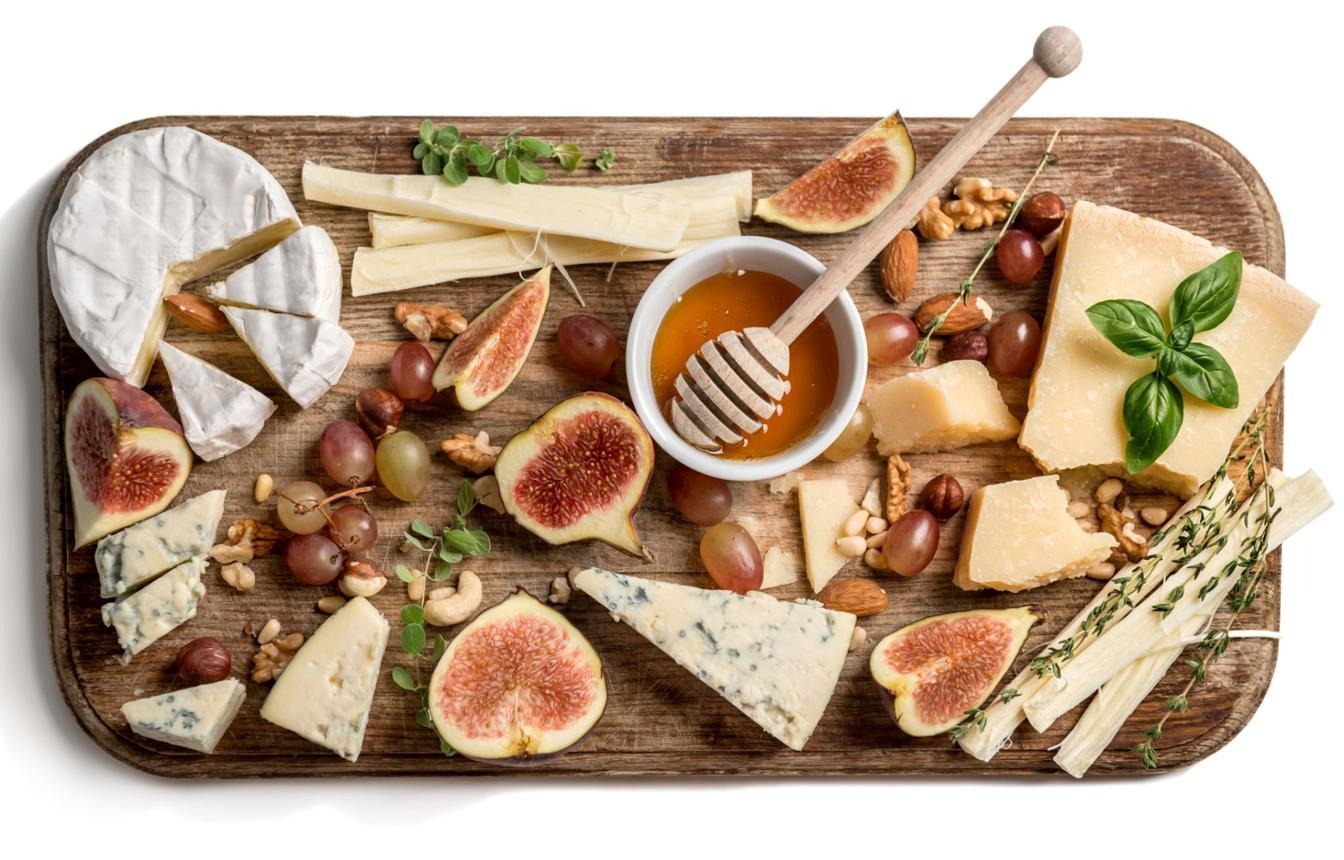
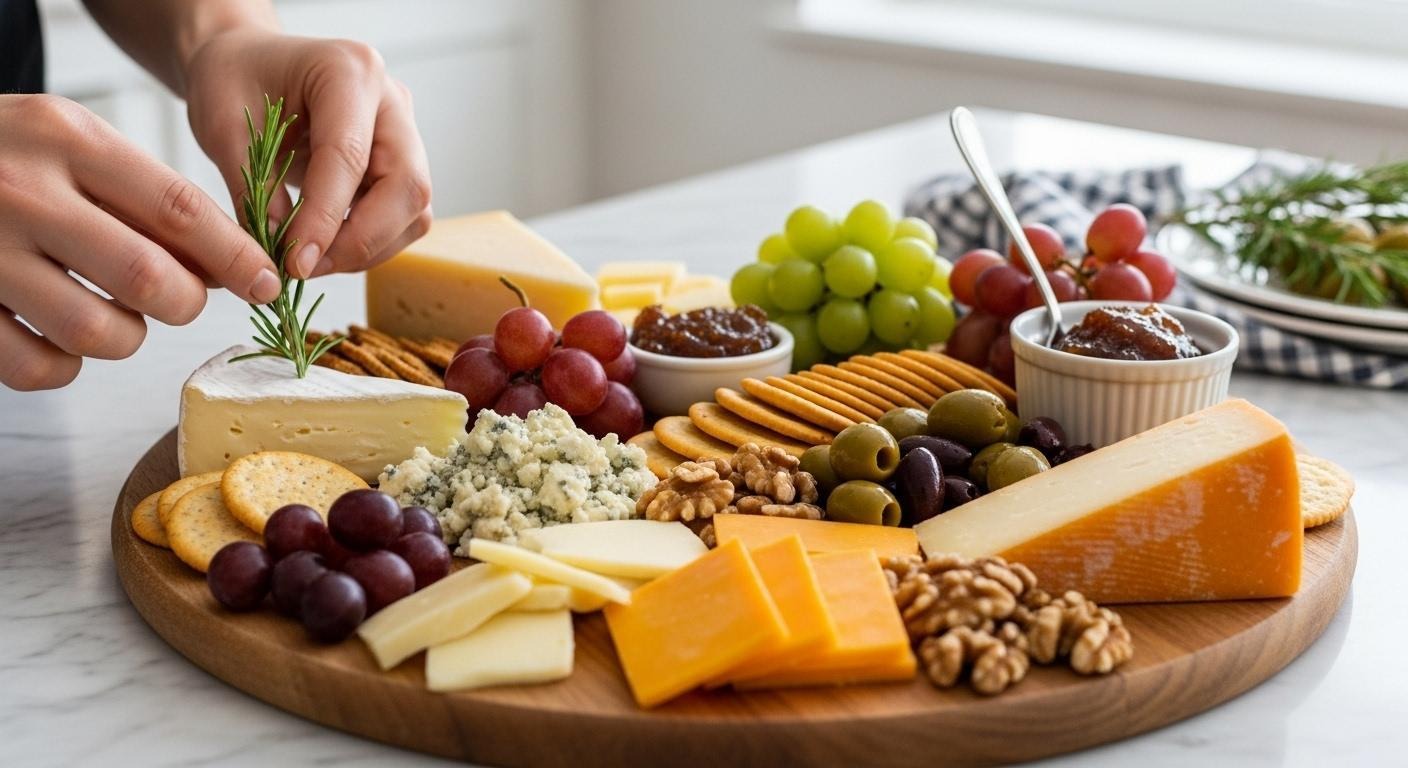
Presentation can make even a simple selection feel special.
Begin by choosing a board or platter large enough to comfortably hold the cheeses and accompaniments. Wooden boards, ceramic platters and serving trays all work well.
Place the cheeses first, spacing them around the board so each variety has its own area. Larger pieces can act as visual anchors, while smaller wedges and slices help create balance.
Next, add crackers, bread and fresh fruit. Use small bowls for olives, honey or preserves to keep the arrangement tidy.
Finally, fill any remaining spaces with nuts, dried fruit or other accompaniments.
Try to include a mix of shapes, colours and textures. A combination of whole wedges, sliced cheese, bunches of grapes and small bowls creates a more inviting presentation.
For a detailed walkthrough, read our guide to creating the perfect cheese platter once the supporting article has been published and its final URL is available.
The Best Accompaniments for Cheese
While cheese should remain the main attraction, the right accompaniments can enhance the overall experience.
Fresh Fruit
Fresh fruit introduces sweetness and freshness that balance richer cheese flavours.
Popular options include:
- Grapes with Brie, Camembert and mild hard cheeses
- Pears with blue cheese and aged varieties
- Apples with Cheddar and Alpine-style cheeses
- Figs with creamy and stronger-flavoured cheeses
- Strawberries with mild, fresh cheeses
Choose seasonal fruit wherever possible for the best flavour and presentation.
Bread and Crackers
Bread and crackers provide a neutral base that allows the flavour of the cheese to stand out.
Plain crackers are a reliable option because they don’t compete with delicate cheeses.
Crusty sourdough, baguettes and artisan breads are also excellent additions, not just for creamy or spreadable varieties.
For a more interesting platter, offer both a simple cracker and a rustic bread.
Nuts, Honey and Preserves
Small accompaniments can create memorable flavour combinations.
Walnuts, almonds and other nuts complement aged and nutty cheeses. Honey provides sweetness alongside blue cheese and salty varieties, while fig or fruit preserves work particularly well with creamy cheeses.
The goal is to enhance the cheese rather than overpower it.
Savoury Accompaniments
For guests who enjoy more savoury flavours, consider olives, pickles, cured meats or roasted vegetables.
These additions can transform a simple cheese board into a substantial grazing platter.
However, it’s worth keeping strong flavours separate so guests can enjoy each cheese individually.
Pairing Cheese With Wine and Other Drinks
Choosing drinks to complement your platter doesn’t need to be complicated.
A useful starting point is to consider the intensity of the cheese. Delicate cheeses generally work best with lighter beverages, while stronger varieties can stand up to richer flavours.
White Wine and Cheese
Crisp white wines can complement creamy cheeses by providing freshness and acidity.
A dry Riesling or Sauvignon Blanc may work well with mild, creamy varieties, while a fuller-bodied Chardonnay can pair with richer cheeses.
Red Wine and Cheese
Lighter red wines are often more versatile with cheese than very heavy, tannic styles.
Pinot Noir can complement earthy soft cheeses and some semi-hard varieties.
For aged hard cheeses, a medium-bodied red may provide a pleasing balance.
Sparkling Wine and Cheese
Sparkling wine is a flexible option for entertaining.
Its acidity and bubbles can provide a refreshing contrast to creamy textures, making it particularly enjoyable with Brie style cheeses but also fuller, richer varieties like Sbrinz or Parmigiano Reggiano.
Non-Alcoholic Pairings
Guests who don’t drink alcohol can still enjoy thoughtful pairings.
Sparkling water with citrus, lightly flavoured sodas, apple juice and alcohol-free sparkling beverages can all complement a cheese platter.
Avoid overly sweet drinks when serving delicate cheeses, as they may overpower the flavour.
Entertaining With Cheese During Summer
Warm-weather entertaining calls for a slightly different approach.
During summer, lighter flavours, fresh produce and easy-to-share food tend to work particularly well.
A summer cheese platter might include Brie, Emmentaler, a mild Cheddar and a fresh cheese, accompanied by grapes, berries, cucumber, cherry tomatoes and crusty bread.
For outdoor gatherings, consider serving smaller platters that can be replenished as needed rather than leaving the entire selection outside for an extended period.
Keep cheese refrigerated until shortly before serving, protect it from direct sunlight and return perishable leftovers to the fridge promptly. In warm conditions, follow the two-hour/four-hour food safety rule, counting all time out of refrigeration.
If you’re planning a barbecue, picnic or celebration, our supporting guide to the best cheeses for summer entertaining explores suitable options in more detail.
Beyond the Cheese Platter: Creative Ways to Entertain
Cheese doesn’t have to be limited to a traditional board.
Some of the most memorable gatherings involve dishes where cheese becomes part of the experience.
Raclette Nights
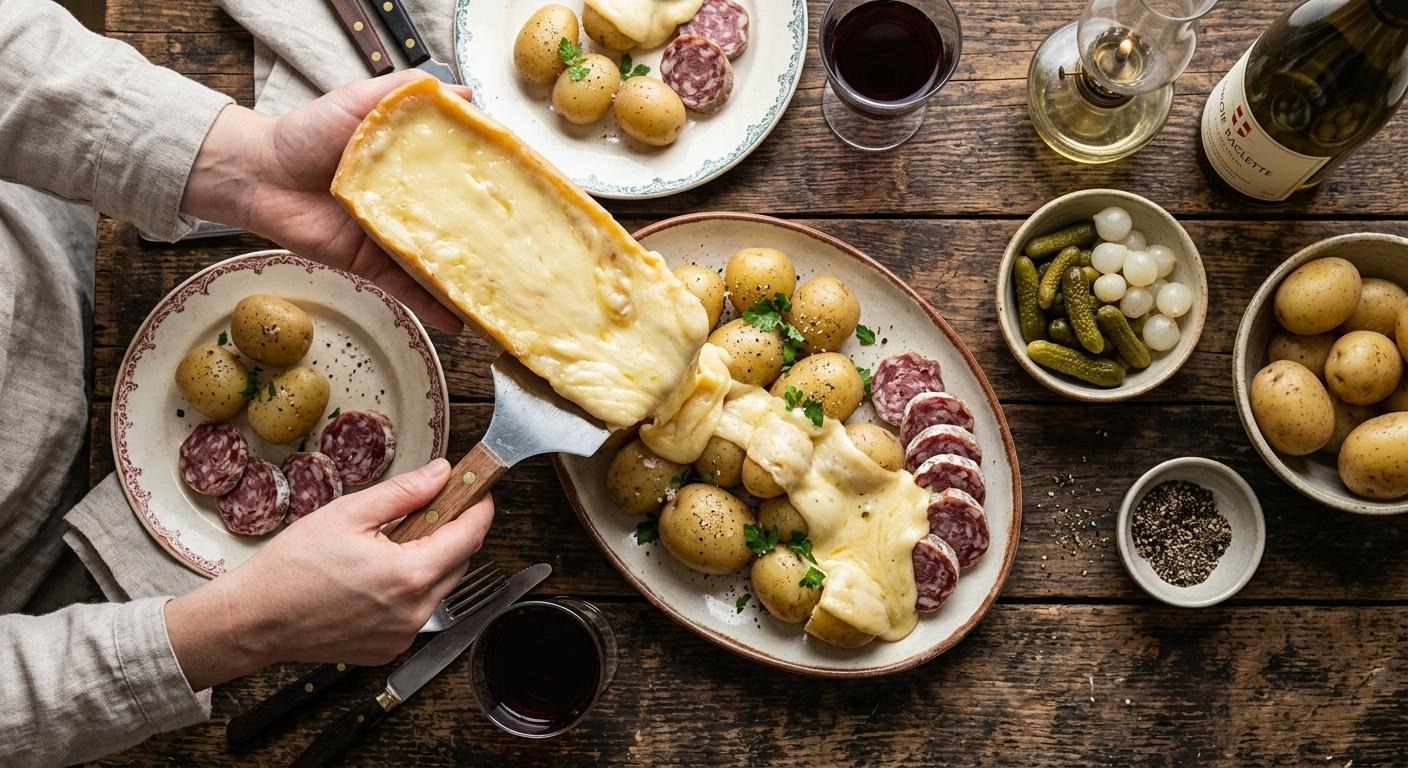
Raclette is an interactive dining experience built around warm, melted cheese.
Traditionally served over potatoes and accompanied by pickles, vegetables and other savoury ingredients, it’s ideal for relaxed dinners where guests can prepare their own combinations.
A Raclette evening is especially enjoyable when you want something different from a conventional dinner party.
Cheese Fondue
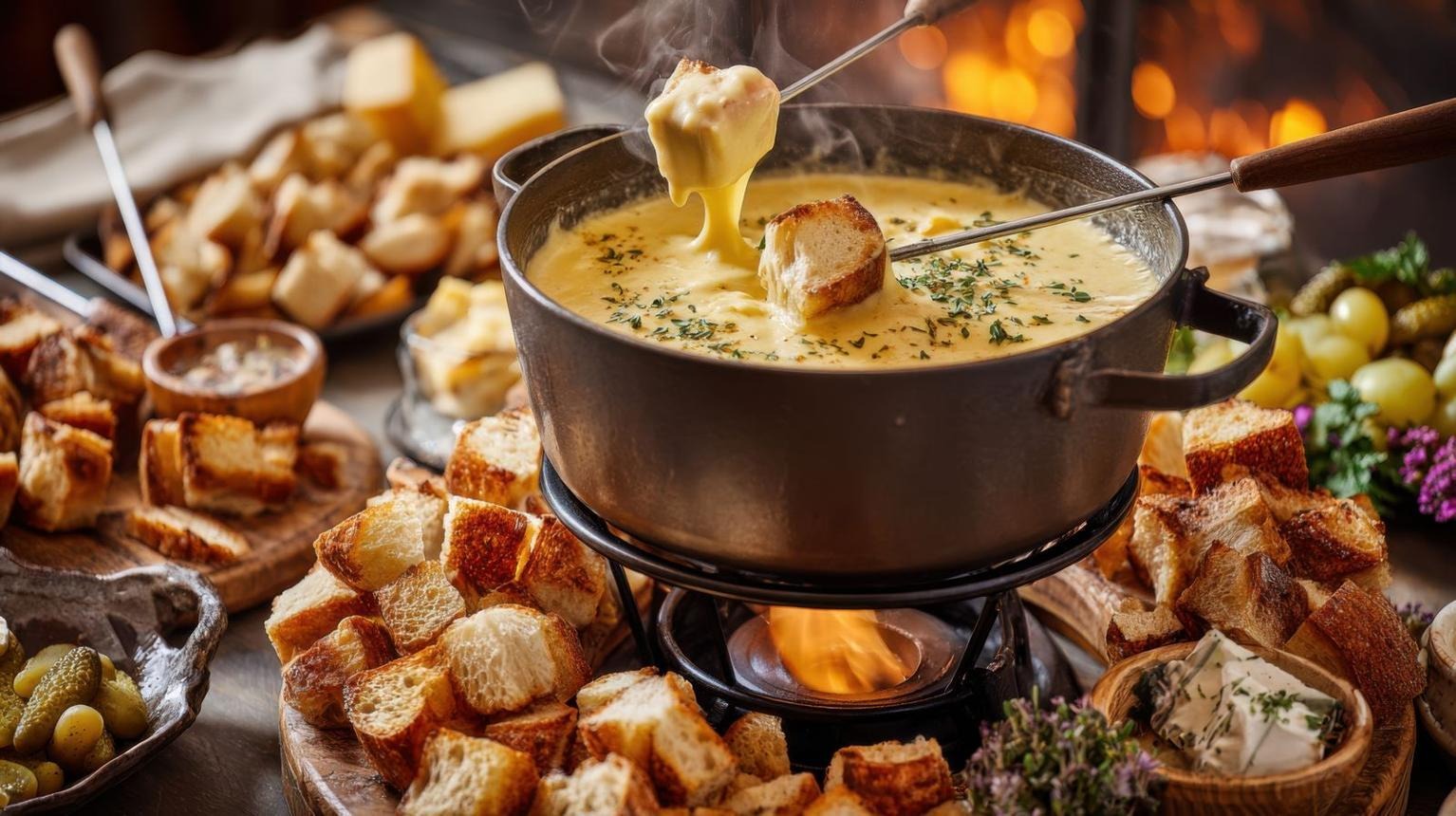
Fondue is another classic way to bring people together.
A traditional cheese fondue typically combines melting cheeses such as Gruyère and Emmentaler with other ingredients to create a smooth, rich mixture for dipping bread and vegetables.
The communal nature of fondue makes it particularly suitable for small gatherings and celebrations.
Choosing the right cheeses is essential for achieving the desired flavour and texture. Explore our supporting guide to choosing the best fondue cheese for a more detailed explanation.
Baked Brie or Camembert
Baked soft cheese is a simple way to create a warm centrepiece.
Serve it with crusty bread, herbs or a small amount of honey for a dish that’s easy to share.
Check that the cheese is suitable for baking and follow the product’s preparation guidance.
Cheese and Charcuterie Boards
Combining cheese with cured meats, olives, pickles and artisan bread creates a more substantial grazing experience.
Balance salty meats with mild cheeses, fresh fruit and neutral crackers to prevent the flavours from becoming too intense.
Preparing Cheese Before Guests Arrive
Good preparation can make entertaining significantly easier.
Where appropriate, take the cheese out of the refrigerator shortly before serving so its texture and flavour can develop. Many cheeses are best enjoyed when they aren’t refrigerator-cold, but food safety remains important, particularly in hot weather.
Cut larger hard cheeses into manageable portions, leaving some wedges intact for presentation.
Provide separate knives for soft and strong-flavoured cheeses to avoid mixing flavours.
Prepare fruit, crackers and other accompaniments in advance, but add moisture-sensitive items close to serving time so they stay fresh.
If your gathering will run for several hours, keep additional cheese refrigerated and replenish the platter in smaller amounts.
Common Cheese Entertaining Mistakes to Avoid
Even experienced hosts can make a few simple mistakes when planning a platter.
Choosing Too Many Similar Cheeses
A board containing five mild, creamy cheeses may look appealing, but it won’t provide much variety.
Aim for a mixture of textures, flavours and intensities.
Overloading the Platter
A crowded board can make it difficult for guests to serve themselves.
Allow enough room for knives, crackers and easy access to each cheese.
Serving Cheese Too Cold
Very cold cheese can have a firmer texture and less noticeable flavour.
Where safe and appropriate, allow a short period out of the fridge before serving.
Using Too Many Strong Accompaniments
Highly flavoured crackers, spicy chutneys and strong cured meats can overwhelm delicate cheeses.
Include neutral options that allow the cheese to remain the focus.
Forgetting Dietary Requirements
Ask guests about allergies, dietary restrictions and preferences before choosing your selection.
Check individual product labels rather than assuming that every cheese is suitable for vegetarian guests or those with particular dietary needs.
Making Your Cheese Selection Suit the Occasion
The ideal selection depends on the type of event you’re hosting.
For an intimate dinner party, you might focus on three premium varieties and a few carefully matched accompaniments.
For a birthday celebration, a larger grazing board with familiar cheeses, crackers and fruit may be more practical.
For a festive gathering, consider including a specialty Alpine cheese or a warm dish such as fondue.
And for a relaxed afternoon with friends, a simple combination of Brie, Cheddar, grapes and fresh bread may be all you need.
Ultimately, the best cheese selection is one that suits your guests, complements the occasion and allows everyone to enjoy the experience.
Make Your Next Gathering Memorable With Alpine Express
Entertaining with cheese doesn’t need to be elaborate. A thoughtful combination of quality cheeses, complementary accompaniments and simple presentation can turn an ordinary gathering into something special.
Whether you’re creating a classic cheese platter, hosting a summer celebration or planning a traditional fondue night, the right selection makes all the difference.
Contact Alpine Express to explore our cheese selection to discover cheeses for entertaining, sharing and enjoying with family and friends.
Find your favourites and start planning your next cheese-filled gathering.