We’ve let NotebookLM deep dive into our Alpine Express artisan cheese delivery service. What came out is a fascinating AI talk of what we think is pretty accurate of what we do. Just ignore that ‘next disptch’ date in June 2025. LOL. Here’s the episode:
Rolf Beeler once shared with us a guideline on whether you can eat the rind of a cheese: if the whole cheese fits comfortably in the palm of your hand, then you can eat the rind. If it does not, it is advisable to discard it. Of course, this is merely a rough guide; generally, the rinds of matured cheeses are not intended for consumption as they serve as a protective layer for the cheese and are not necessarily highly palatable. Nonetheless, there is no need to throw them away. Here are some suggestions on how you can utilise them:
Leftover rinds are brimming with flavour and can be employed in various culinary applications. Here are some creative ways to make use of them:
Soups and Broths: Add rinds to soups and broths while they simmer. They impart a rich, savoury flavour that enhances the overall taste. Just remember to remove them before serving.
Stews and Sauces: Similar to soups, toss the rinds into stews and sauces. They can add a deep umami flavour, particularly in tomato-based sauces or risottos.
Pasta Dishes: When cooking pasta, place a rind in the boiling water or sauce. It will infuse the dish with a subtle cheesy flavour.
Creamy Risottos: Incorporate the rinds into risottos during the cooking process for added depth. Remember to remove the rinds before serving.
Flavouring Bean Dishes: When cooking beans or lentils, add a rind to the pot. It enhances the seasoning and adds an extra layer of complexity to the dish.
Making Stock: Keep rinds in your freezer and use them to boost the flavour of homemade stock. They add a lovely depth to vegetable or meat stocks.
Cheese-Infused Oil: Infuse olive oil with rinds by gently heating them in the oil. This creates a tasty oil that can be drizzled over salads, breads, or pasta.
Garnishes: After simmering the rinds in a dish, consider grating the softened rind to sprinkle over your dishes as a rustic garnish, adding texture and flavour. This works particularly well with rinds from cheeses like Sbrinz AOP.
Freezing: If you’re not ready to use the rinds immediately, freeze them in an airtight container or bag. They can last for several months and will be ready for use when you are.
Homemade Pizza: When making homemade pizza, consider placing a rind in the sauce or positioning it near the crust while baking for an extra burst of flavour.
By using leftover rinds in these ways, you not only reduce waste but also significantly enhance the flavour of your dishes.
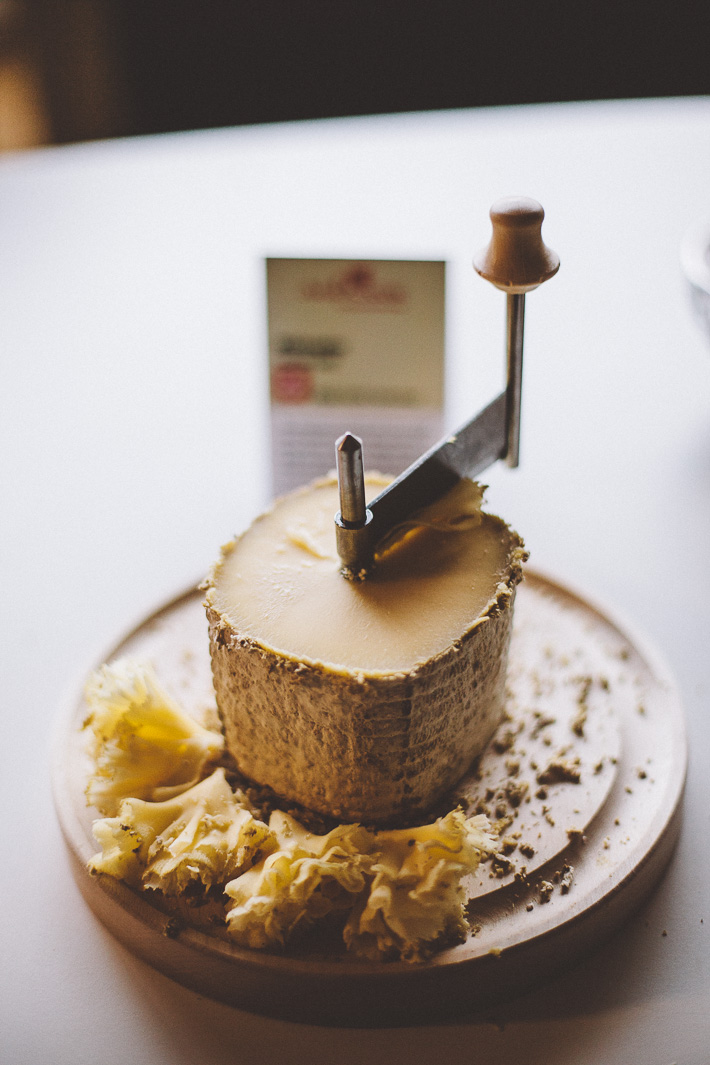
Many people know the Girolle cheese shaper from making beautiful flower shaped cheese portions with the Tête de Moine cheese. Do you know that there are other Swiss cheese that you can use this clever device with?
Tomorrow is international Raw Milk Cheese Appreciation Day and we’ve got quite a line up for you around the country where you can taste amazing #rawmilkcheese tomorrow:
VICTORIA
Boccaccio Supa IGA, Balwyn: Tasting/sale of various raw milk cheeses including our Rolf Beeler range
RHCL, Richmond: Tasting/sale of Rolf Beeler Alp Dräckloch (raw milk, alpage cheese, the only one in the country!!!)
Little Cheese Shop, Bayswater/Perth: Tasting/Sale of Rolf Beeler Gruyère, Rolf Beeler Alp Sbrinz and French Roquefort
NEW SOUTH WALES
Cheese Etc, North Sydney: Tasting/Sale of various raw milk cheeses including our Rolf Beeler range
QUEENSLAND
The Stores Westend: Tasting 11 to 2pm of various Swiss raw milk cheese including the Milchzapfen, shaped on a Girolle. Meet our own Tom Merkli there and have a chat to him about why #rawmilkcheese taste better.
Have you ever wondered exactly why raw milk cheese is so important? Have you ever asked yourself why so many of the world’s most famous cheeses (Comté, Swiss Gruyère, Parmigiano-Reggiano, to name a few) are legally required to be made from raw milk?
Raw Milk Cheese Appreciation Day is your chance to find out what makes these cheeses truly extraordinary. The Oldways Cheese Coalition and the Guilde Internationale des Fromagers are teaming up on Saturday, April 16, 2016, for a worldwide celebration of raw-milk cheese.
The Red Cow is certainly part of this day as we’re Australia’s premier importer of artisan raw milk cheese. Our Sélection Rolf Beeler range including top sellers like the Gruyeère, Toggenburger or Vacherin Fribourgeois are all made from untreated milk so are other cheese we import such as the Milchzapfen, Tête de Moine or Bachtelstein.
1st of August is Switzerland’s birthday, the 724th to be precise. There are numerous events throughout Australia to celebrate this day: In Melbourne you can enjoy traditional food, music & dance at the annual Swiss National Day Celebrations in Heidelberg. In Sydney and Perth two of our retailers celebrate with Swiss cheese masterclasses together with Tom.
Victoria
The Red Cow cheese tasting & sale in partnership with Walmas
Sunday, 2nd Augut 2015, 11am to 4pm
Austrian Club, Heidelberg
Event infos can be found here
The Rolf Beeler Project – Swiss Cheese Masterclass with Tom
Thursday, 13 August, 6 – 8pm
Whipper Snapper Distillery, Perth – organised by the Little Cheese Shop/Bayswater
Tickets go on sale next week, check the Little Cheese Shop’s Facebook page for details
Cheese contains a host of nutrients like calcium, protein, phosphorus, zinc, vitamin A and vitamin B12. Cheese can also help to prevent dental diseases and fight cancer. Plus hard cheese like most of our Swiss raw milk cheese contain virtually no lactose.
Below are a number of resources highlighting the health benefits of cheese further:
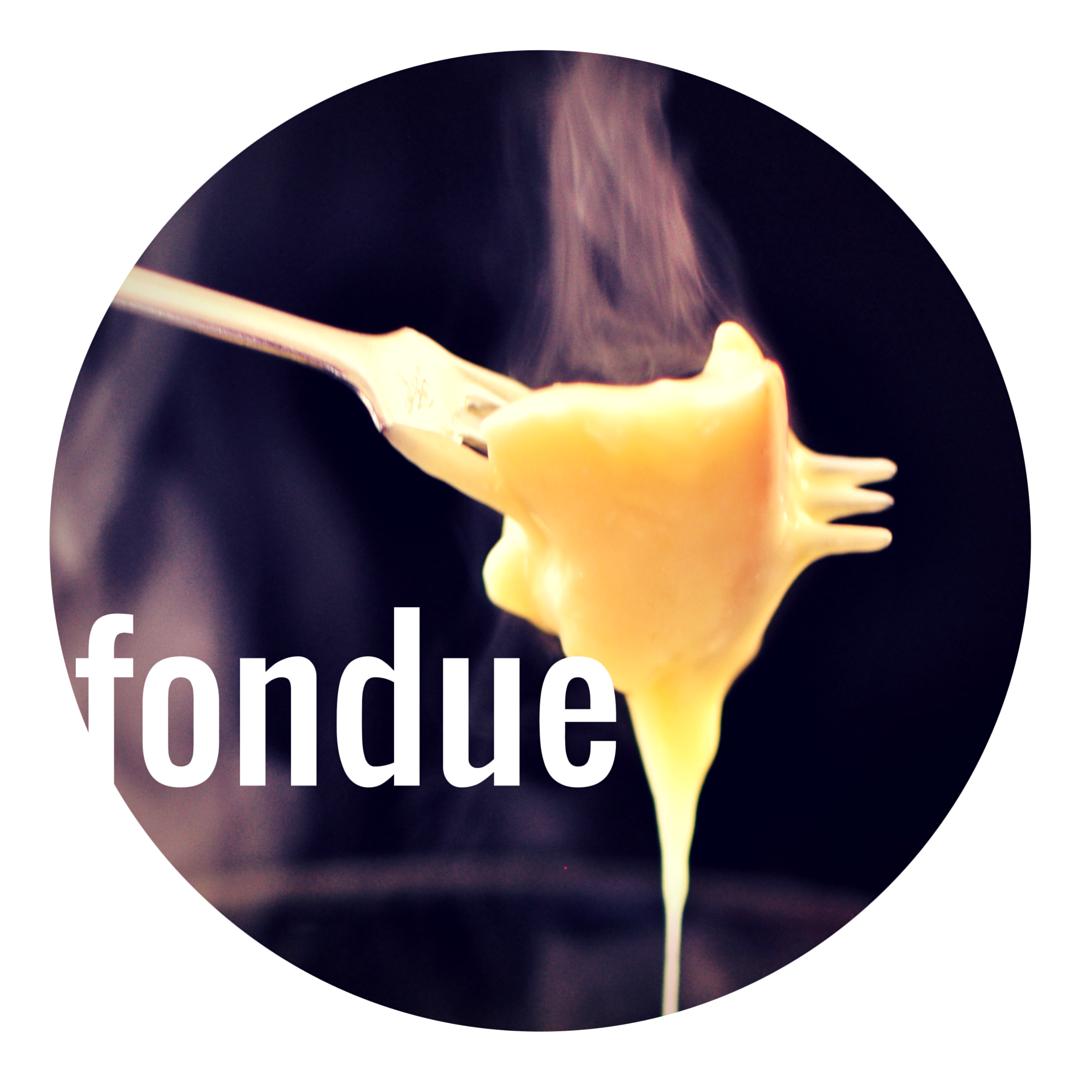
The days are getting shorter and colder, so it’s certainly time to bring out the Fondue set. This traditional and iconic Swiss dish seems to have a bit of a revival here in Australia, hence we tend to see quite a few recipes and myths floating around. So, let’s look into what is actually necessary and what’s just, well, a myth.
Growing up in Switzerland this dish was part of my upbringing. But mind you, at home we never prepared the fondue like the typical Swiss-German family, oh no, my parents used to live in the French speaking part (the birthplace of this dish) before I was born. There they learnt the traditional – and in my opinion – best way of making an authentic, Swiss cheese fondue. In Switzerland they call this one “moitié-moitié”, meaning “half-half” and referring to the cheese mixture of half Vacherin Fribourgeois and half Gruyère.
You will see that the best thing about this fondue – besides its amazing taste of course – is that it’s really simple and works every time.
100ml dry white wine (the original recipe calls for a Swiss Fendant (chasselas grape), but you can get to a similar result with an unoaked Chardonnay, a dry Riesling or Pinot Gris).
1 garlic clove
1 tsp corn starch
ca. 20ml Kirsch (yes, it has to be Kirsch, no cutting corners here – and make sure you the as-good-as-you-can-afford quality.)
Preparation:
Slice the garlic and pour the cheese mix, the wine and the garlic in a fondue pan (Caquelon). Put it on the stove on medium heat. Yes, the stove. You can cook your entire fondue on the little burner that was part of your fondue set, but it will take a long time and is really the right way of doing it. Some people prefer to rub the pan with the garlic but I find it better to be sliced and put in.
Stir the mixture regularly. I only use a normal fork for this and I don’t bother with the figure 8 that everybody says you have to. As long as you mix everything, you’re fine.
Make sure the mixture does never boil. It will take a little while depending on the amount of cheese. Then, mix the Kirsch with the corn starch and once the mass is fully liquid (no lumps in the cheese!) add this mixture to the pan. Now constantly stir and wait until the mixture transforms into a slightly thicker, uniform consistency. Should the liquids not bind, use a bit more of the starch/Kirsch solution. Also to get the corn starch to react, it needs a bit of temperature (but not boiling!).
Finally, add a bit of freshly ground pepper and serve.
It takes a very good cheese maker to deal with some of the most expensive ingredients you can find. Willi Schmid certainly fits that criteria very well and his creation, the Büffel Trüffel is another showcase of his immense talent.
The cheese certainly is very unique – it is made from buffalo milk and local, black truffles and matured for 3 to 4 months at Willi’s own maturing cellar in Lichtensteig (Toggenburg). The buffalo milk comes from a small herd of Italian water buffalo shared between two farmers that are located not far from Zurich in Switzerland. The milk is brought to Willi Schmid where it is made into this gorgeous cheese. The end result is a superb cheese with a creamy texture, teeming with that amazing black truffle flavour.
But let’s get Willi to tell us a bit more about his creation:
Where can you find it?
This cheese is currently available at Leo’s Fine Food & Wine in Kew, Victoria.
A while back when I visited Rolf Beeler in Switzerland, he showed me a product he recently discovered in Spain. It was rice, Spanish bomba rice to be precise. The packaging looked amazing and it screamed ‘artisan’ all over it. A little confused, I asked Rolf, why he’s all of a sudden into rice. He replied, look Tom, I love artisan cheese, there’s no doubt about it, but when I stumble upon another product with similar characteristics, i.e. a product that is produced in a sustainable way, with true ‘terroir’ and of the highest possible quality, why shouldn’t I promote it?
It made sense to me and I tried the short grain rice shortly after; in the form of a self-made paella. Holly molly, this rice stayed firm, yet retained all the beautiful flavour of the broth it was cooked in. I found it absolutely stunning. And just to be sure, I cooked another paella with the same recipe but chose a different bomba rice and the difference couldn’t have been more stark.
Back in Australia, I showed my sample to John Lawson from No. 8 by John Lawson at the Crown Casino. He had a similar reaction like I did with Rolf at first, but once he tried a batch, he called me straight away and let me know about his excitement. You can even see some of his beautiful creations, like a truffle rice pudding or a gorgeous rice salad on our Tartana Bomba Rice product page.
Today, you find the rice in its ‘gourmet’, 500g size at many premium retailers around Melbourne. For example Leo’s Fine Food & Wine (all stores), Spring St Grocer in Melbourne’s CBD, Bill’s Farm at the Queen Victoria Market or Delicatess in the Prahran Market. We even have it in our online store and ship it nationwide.
Seriously, do yourself a favour, try it – you won’t be disappointed.