
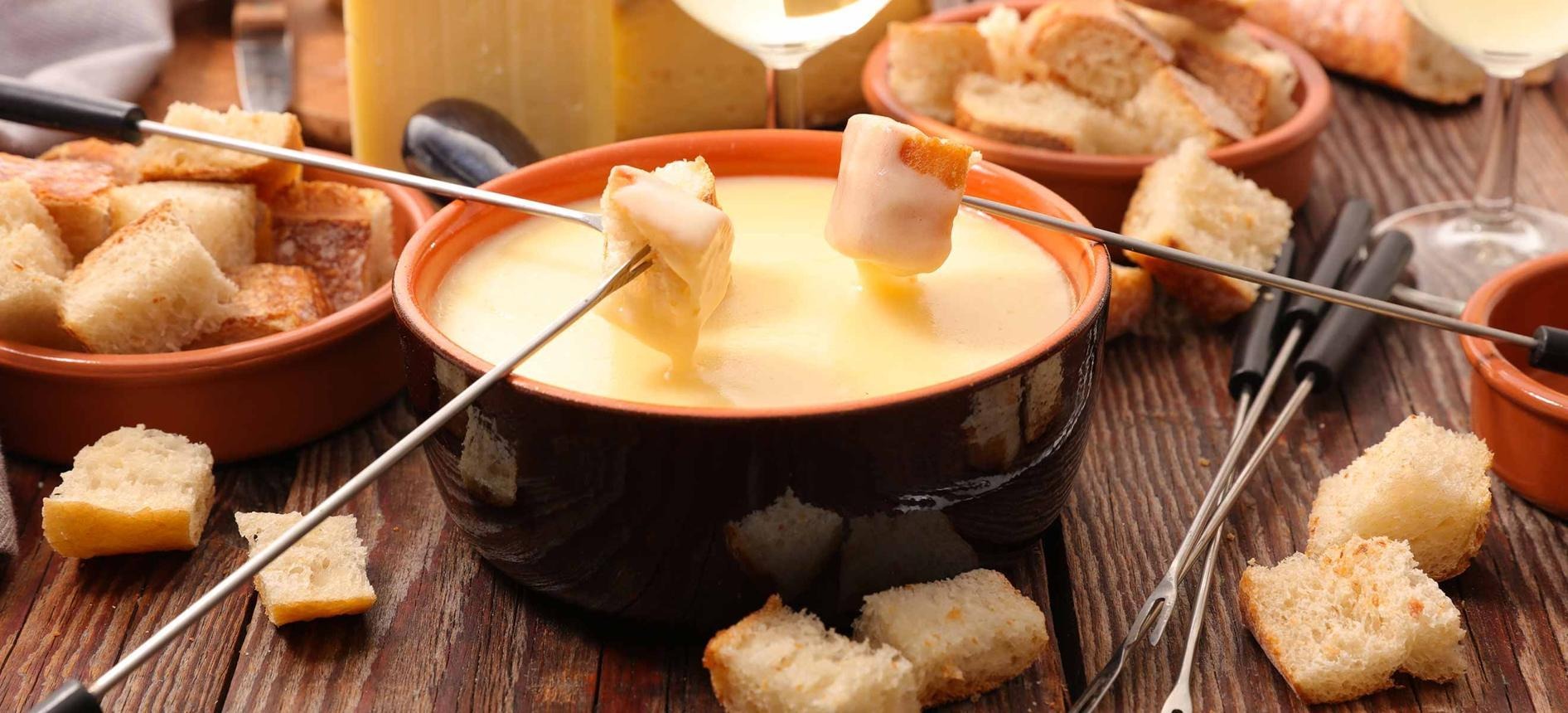
There’s something special about gathering around a pot of warm, melted cheese and sharing a meal with family or friends. Cheese fondue is more than just a delicious dish; it’s an interactive dining experience that encourages conversation, connection and relaxed entertaining.
Originating from Alpine food traditions, cheese fondue has become a favourite for dinner parties, celebrations and cosy evenings at home.
While preparing fondue is relatively straightforward, choosing the right cheese makes all the difference. The varieties you select influence the flavour, consistency and overall enjoyment of the dish.
From traditional Gruyère and Emmentaler to different cheese combinations and practical preparation tips, this guide will help you choose the best fondue cheese and create a smooth, delicious result.
What Is Cheese Fondue?
Cheese fondue is a traditional Swiss dish made by gently melting cheese with liquid and other ingredients to create a smooth mixture.
It’s typically served in a communal pot, known as a caquelon, which is kept warm at the table.
Guests use long fondue forks to dip pieces of bread into the melted cheese, although vegetables and other accompaniments can also be enjoyed.
The appeal of fondue lies in its simplicity.
Rather than preparing individual meals, everyone shares from the same pot, creating a relaxed and social dining experience.
Traditional recipes vary between regions, but Swiss cheeses such as Gruyère, Appenzeller, Emmentaler and Vacherin Fribourgeois are commonly associated with fondue.
What Makes a Good Fondue Cheese?
Not every cheese behaves the same way when heated.
Some melt into a smooth, creamy consistency, while others may become oily, grainy or stringy.
Choosing cheeses with suitable melting properties is essential for achieving a satisfying fondue.
Smooth Melting Texture
The best fondue cheeses melt evenly and combine into a cohesive mixture.
Alpine-style cheeses are particularly popular because their texture and composition make them well suited to melting.
Balanced Flavour
Fondue should be rich and savoury without becoming overwhelming.
Combining a stronger cheese with a milder variety can create a balanced flavour that appeals to different preferences.
Good Consistency
A successful fondue should be thick enough to coat bread while remaining smooth enough for dipping.
The consistency depends on the cheeses selected, the amount of liquid added and the temperature used during preparation.
Complementary Cheese Combinations
Using more than one variety can create greater depth of flavour.
For example, combining Gruyère with Emmentaler provides a mixture of rich, nutty and mild characteristics.
1. Gruyère: A Traditional Favourite for Cheese Fondue
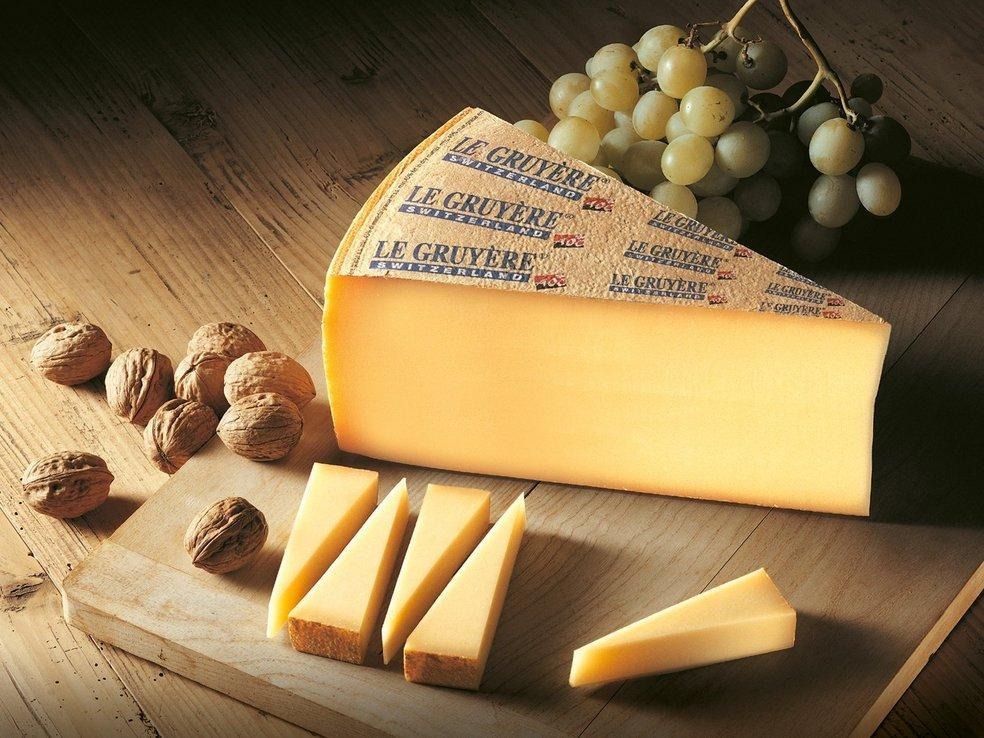
Gruyère is one of the most popular cheeses used in traditional Swiss fondue.
Its rich, savoury flavour and excellent melting qualities make it a reliable foundation for many recipes.
Depending on its maturity, Gruyère can offer nutty, slightly sweet and more pronounced savoury notes.
Why Gruyère Works Well in Fondue
Gruyère provides a distinctive flavour without needing large quantities of additional ingredients.
When combined with suitable liquid and heated gently, it can create a smooth, creamy texture.
It also pairs well with other Swiss-style cheeses, allowing you to customize the strength and character of your fondue.
What to Pair With Gruyère
For a traditional approach, combine Gruyère with Emmentaler.
For a richer fondue, Gruyère can also be paired with Vacherin Fribourgeois where available.
The best combination depends on whether you prefer a mild, nutty fondue or something with a more pronounced flavour.
2. Emmentaler: A Mild and Nutty Fondue Cheese
Emmentaler is another traditional Swiss-style cheese frequently used in fondue recipes.
Recognised for its distinctive holes and mild, nutty flavour, Emmentaler provides a more delicate character than many aged cheeses.
Why Emmentaler Is a Good Choice
Emmentaler melts well and can help create a balanced flavour when combined with richer varieties.
Its relatively mild taste makes it particularly useful for gatherings where guests may not enjoy very strong cheese.
Combining Emmentaler With Gruyère
One of the most approachable fondue combinations is Gruyère and Emmentaler.
Gruyère contributes richness and savoury depth, while Emmentaler provides a milder, nutty character.
A mixture of approximately equal parts is a practical starting point, although you can adjust the proportions to suit your preferences.
For a stronger fondue, increase the amount of Gruyère.
For a milder version, use slightly more Emmentaler.
3. Vacherin Fribourgeois: A Creamy Swiss Fondue Option
Vacherin Fribourgeois is another cheese traditionally associated with Swiss fondue.
It’s particularly well known for its use in moitié-moitié, a Swiss fondue style combining Gruyère and Vacherin Fribourgeois.
The name refers to the use of approximately half of each cheese.
Why Vacherin Fribourgeois Is Popular
Vacherin Fribourgeois contributes a creamy texture and distinctive flavour.
When combined with Gruyère, it creates a rich and satisfying fondue.
This combination is particularly appealing to those who enjoy traditional Swiss cheese dishes.
When to Choose This Combination
A Gruyère and Vacherin Fribourgeois fondue is an excellent option for a special dinner or an authentic Swiss-inspired meal.
Availability may vary, so check which suitable cheeses are available before planning your recipe.
4. Can You Use Cheddar for Cheese Fondue?
Cheddar can be used in fondue-style recipes, although it produces a different flavour from traditional Swiss combinations.
A mild or medium Cheddar may create a familiar, comforting taste, while mature Cheddar can introduce a sharper flavour.
However, Cheddar can be more prone to separating or becoming grainy if overheated.
For best results, use gentle heat and combine it with ingredients that help maintain a smooth consistency.
If you’re aiming for a traditional Swiss fondue experience, Gruyère and Emmentaler are generally better starting points.
The Best Cheese Combinations for Fondue
| Cheese combination | Flavour profile |
| Gruyère + Emmentaler | Nutty, savoury and balanced |
| Gruyère + Vacherin Fribourgeois | Rich, creamy and traditional |
| Gruyère + a little mature Cheddar | Rich with a sharper finish |
| Emmentaler + Gruyère + a little Appenzeller | Nutty with a more robust flavour |
If you’re making fondue for the first time, a combination of Gruyère and Emmentaler is a practical place to begin.
It offers a balanced flavour and uses cheeses that are traditionally suited to melting.
How Much Cheese Do You Need for Fondue?
The amount of cheese required depends on the number of guests and whether fondue is the main meal.
As a starting point, allow approximately 150–200 grams of cheese per person when fondue is the main dish.
| Number of guests | Suggested cheese quantity |
| 2 people | 300–400 g |
| 4 people | 600–800 g |
| 6 people | 900 g–1.2 kg |
| 8 people | 1.2–1.6 kg |
If you’re serving fondue alongside substantial side dishes, smaller portions may be sufficient.
Remember that fondue is a rich dish, so providing bread, vegetables and other accompaniments helps create a balanced meal.
How to Make a Classic Cheese Fondue at Home
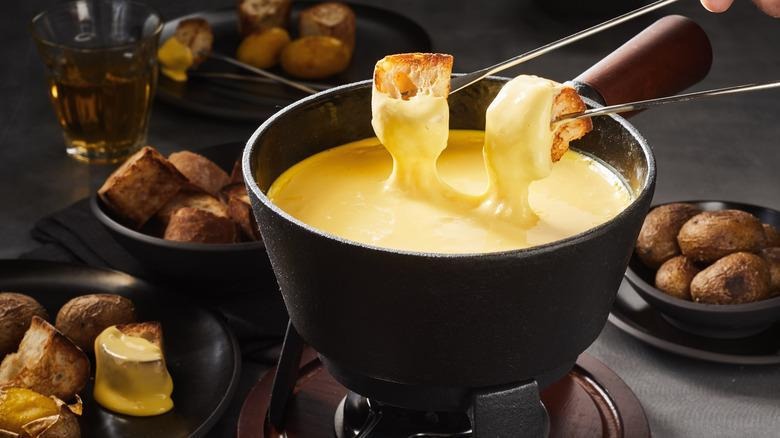
Making cheese fondue at home is easier than many people expect.
The key is preparing the ingredients beforehand and melting the cheese slowly.
Ingredients for Four People
- 350 g Gruyère, grated
- 350 g Emmentaler, grated
- 300 mL dry white wine, approximately
- 1 garlic clove
- 2 teaspoons cornflour
- 50ml of Kirsch (cherry schnapps) or 50ml white wine
- Freshly ground pepper
- Crusty bread, cut into bite-sized pieces
Step 1: Prepare the Cheese
Grate the cheese before you begin cooking.
Smaller pieces melt more evenly than large chunks and are easier to incorporate into the liquid.
Toss the grated cheese with the cornflour to help maintain a smooth mixture.
Step 2: Prepare the Fondue Pot
Cut the garlic clove in half and rub the inside of your fondue pot or heavy-based saucepan.
This introduces a subtle garlic flavour without overpowering the cheese.
Step 3: Add the grated Cheese and the Wine
Add the wine and the grated cheese into the caquelon
Heat everything slowly until the cheese is fully melted. The wine and fat will have split from the solid cheese, which is what you want. Continue stirring until the mixture becomes smooth and creamy.
Step 4: Add the cornflour
Mix the cornflour with the kirsch brandy to get a liquid. You can also use wine if you don’t have Kirsch. Add the mix to the caquelon and increase the temperature a little bit but make sure it is not boiling. The solid and liquid parts should now come together. If it doesn’t add a bit more of the mixture and/or increase the temperature a little bit.
Season pepper to taste.
Step 5: Serve Immediately
Transfer the fondue to a suitable serving burner or keep it warm in a fondue pot.
Serve with bread, vegetables and your preferred accompaniments.
Maintain gentle heat throughout the meal, avoiding prolonged boiling.
What Should You Dip Into Cheese Fondue?
Traditional cheese fondue is commonly served with crusty, non-sourdough bread, but there are plenty of other delicious options.
Crusty Bread
Bread is the classic fondue accompaniment.
A slightly firm baguette or Pane di Casa works particularly well because it holds its shape when dipped into melted cheese.
Cut or break bread into bite-sized pieces with enough crust to help secure it on the fondue fork.
Boiled Potatoes
Small boiled potatoes are a satisfying alternative to bread.
Their mild flavour complements rich cheese and makes fondue feel more substantial.
Steamed Vegetables
Lightly steamed vegetables can provide freshness and variety.
Popular options include broccoli, cauliflower and carrots.
Cook vegetables until tender but still firm enough to dip.
Mushrooms
Cooked mushrooms offer an earthy flavour that complements Gruyère and other Alpine-style cheeses.
Apples and Pears
For something different, try dipping firm apple or pear slices into fondue.
Their natural sweetness can create an interesting contrast to the savoury cheese.
Common Fondue Mistakes and How to Avoid Them
Even a simple fondue can go wrong if the ingredients aren’t handled carefully.
Heating the Cheese Too Quickly
High heat can cause cheese proteins and fats to separate, producing an oily or grainy mixture.
Use gentle heat and stir regularly.
Choosing the Wrong Cheese
Some cheeses don’t melt smoothly or produce the desired consistency.
Traditional Alpine-style melting cheeses are a reliable starting point.
Adding Too Much Liquid
Excess liquid can make fondue thin and difficult to coat onto bread.
Start with a moderate amount and adjust gradually.
Not Grating the Cheese
Large pieces can melt unevenly.
Grating the cheese beforehand helps create a more consistent result.
Letting the Fondue Cool Too Much
Fondue thickens as it cools.
Use a suitable fondue burner to maintain gentle warmth while guests are eating.
Can You Make Cheese Fondue Without Wine?
Yes, it’s possible to prepare a wine-free cheese fondue, although the flavour and texture may differ from traditional recipes.
You can experiment with suitable non-alcoholic liquids such as stock or unsweetened apple juice, combined with a little lemon juice for acidity.
Acidity helps support a smoother cheese mixture, so replacing wine with plain water alone may not produce the same result.
Start with a small amount of liquid and adjust as the cheese melts.
If you’re preparing fondue for guests who avoid alcohol, a wine-free recipe is preferable to assuming that all alcohol disappears during cooking.
Cheese Fondue vs Raclette: What’s the Difference?
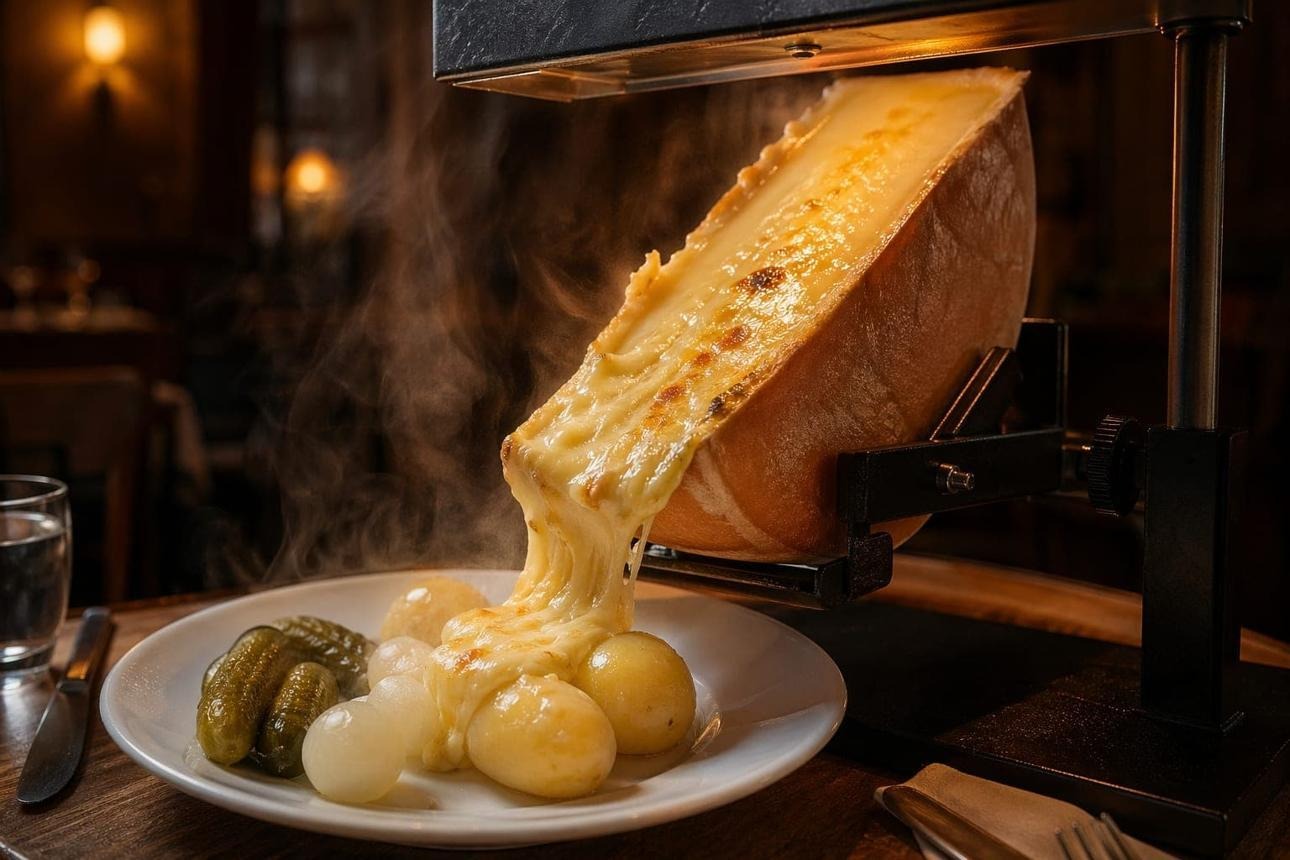
Fondue and Raclette are both traditional Alpine cheese dishes, but they offer different dining experiences.
With fondue, cheese is melted into a smooth mixture and served in a communal pot for dipping.
Raclette involves melting cheese and serving it over ingredients such as potatoes, vegetables and pickles.
Both are excellent options for relaxed entertaining.
Fondue is ideal when you want a shared centrepiece, while Raclette offers guests the opportunity to create individual combinations.
If you’re planning a cheese-themed dinner party, either option can provide a memorable alternative to a conventional meal.
How to Host a Cheese Fondue Night
A fondue night doesn’t require an elaborate menu.
Start by choosing a suitable fondue pot and preparing the cheese mixture shortly before guests are ready to eat.
Arrange bread, potatoes and vegetables in separate serving bowls around the table.
Make sure everyone has enough space to reach the pot comfortably.
You can also serve a simple salad or light appetiser to balance the richness of the cheese.
For a larger gathering, consider preparing more than one fondue pot so guests aren’t crowded around a single serving area.
Keep the atmosphere relaxed and allow everyone to enjoy the meal at their own pace.
For more inspiration on planning cheese-based gatherings, read our ultimate guide to entertaining with cheese.
Create the Perfect Fondue Night With Alpine Express
The secret to a memorable cheese fondue is choosing the right combination of cheeses and preparing them with care.
Whether you prefer the traditional pairing of Gruyère and Emmentaler or want to experiment with different Alpine varieties, quality cheese provides the foundation for a delicious meal.
Contact Alpine Express to explore our cheese selection to discover options for fondue, cheese platters and entertainment.
Bring the flavours of the Alps to your table and make your next fondue night one to remember.